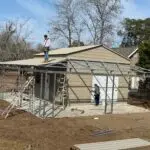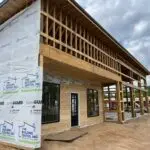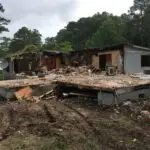
Most people think of construction as what goes up — the framing, the walls, the roof. But experienced contractors know that the most critical work often happens before any of that begins. Excavation and site prep in South Carolina sets the conditions for everything that follows. When this phase is rushed or handled improperly, the problems do not always appear immediately. They show up months or years later, and correcting them costs far more than doing the work right the first time.
This guide explains what professional excavation site prep in South Carolina involves, why each step matters, and what to expect when you work with an experienced local contractor.
Why Site Preparation Is the Most Important Phase of Any Construction Project
Every structure — whether it is a steel building, a commercial warehouse, an agricultural facility, or a residential build — depends entirely on what is underneath it. Soil that is not properly prepared, graded incorrectly, or excavated without a clear plan creates instability that no amount of quality construction above ground can compensate for.
A site preparation contractor in SC who skips steps, works too fast, or lacks experience with local soil and drainage conditions is setting the entire project up for failure. Understanding what the process should look like helps you ask the right questions before work begins.
Step 1: Site Assessment and Planning
Before any equipment arrives, a qualified contractor will assess the site. This means evaluating the existing terrain, identifying drainage patterns, locating utilities, and understanding the soil composition specific to your property. In South Carolina, soil conditions vary considerably across regions — from sandy coastal soils to the clay-heavy terrain common in the Midlands. What works in one area may not be appropriate in another.
This assessment phase drives every decision that follows. A contractor who skips it or treats it casually is working without the information needed to do the job correctly.
Step 2: Land Clearing
Once the site has been assessed and a plan is in place, land clearing begins. This involves removing trees, brush, stumps, debris, and any existing structures that are not part of the finished project. Land clearing in South Carolina often involves more vegetation management than property owners expect — especially on sites that have not been actively maintained.
Clearing is not just about making the site look ready. It is about exposing the full terrain so the contractor can confirm the assessment was accurate and identify anything that needs to be addressed before grading begins.
Step 3: Grading and Leveling
Grading is one of the most technically precise steps in the site prep process. It establishes the correct slope and elevation across the entire project footprint, ensuring that water drains away from the structure rather than toward it or pooling on the site.
Poor grading is one of the leading causes of drainage problems, foundation settling, erosion, and long-term structural issues. Getting this step right requires experienced equipment operators who understand how the finished grade needs to interact with the building, the surrounding terrain, and local drainage patterns.
For projects involving steel building installation, precise grading is especially important because the foundation must be level to meet manufacturer specifications. Any variance at this stage creates compounding problems during installation.
Step 4: Excavation
With the site graded, excavation involves removing soil to the depth required for foundations, footings, utility trenches, or any below-grade construction. The scope varies considerably by project type.
A steel building on a concrete slab requires excavation to a specific depth to accommodate the foundation and anchor bolt system. A commercial structure with a full basement involves significantly deeper work. An agricultural site may require drainage trenches across a wide area. Each situation demands a different approach, and an experienced grading and excavation contractor in Sumter, SC will plan accordingly.
Soil conditions continue to be a factor at this stage. If the excavated area reveals unexpected conditions — unstable subsoil, high groundwater, rock, or debris — those conditions need to be addressed before the project can move forward. A contractor who does not flag and resolve these issues is passing problems down the line.
Step 5: Subgrade Compaction
After excavation, the exposed subgrade — the soil layer that will bear the weight of the foundation — must be compacted to the required density. Compaction reduces voids in the soil, increases load-bearing capacity, and prevents future settling.
This step is often underestimated by property owners because it is invisible once construction is complete. But inadequate compaction is one of the primary causes of slab cracking, uneven settling, and foundation movement. A properly compacted subgrade is not optional — it is a baseline requirement for any structure expected to perform over time.
Step 6: Foundation Preparation
The final phase of site prep involves preparing the area to receive the foundation. This includes installing any required drainage systems, setting utility rough-ins, placing gravel base material where needed, and confirming that the prepared surface meets the specifications for the foundation type being used.
For steel buildings, this step includes verifying anchor bolt placement and ensuring the concrete slab will be poured to the correct thickness and grade. When the same contractor handles excavation services and foundation work, these details are coordinated from the start — reducing the risk of miscommunication and errors that cost time and money to correct.
What to Ask a Site Preparation Contractor in SC Before Work Begins
Before hiring anyone for excavation and site prep work in South Carolina, ask these questions:
- Do you perform a site assessment before providing a quote?
- How do you handle unexpected soil conditions or drainage issues discovered during excavation?
- Do you manage land clearing, grading, excavation, and foundation prep as part of the same scope of work?
- Can you provide references from similar projects in this region?
- How do you ensure the finished grade and subgrade meet the specifications for the structure being built?
The answers will tell you whether the contractor has a thorough process or is simply moving fast to get to the next job.
The Bottom Line
Excavation site prep in South Carolina is not a phase to rush through or assign to whoever is cheapest. It is the foundation — literally — of everything that gets built on top of it. Choosing a site preparation contractor in SC with local experience, the right equipment, and a clear, step-by-step process is one of the most important decisions you will make on any construction project.
Mychael G. Smith LLC has been providing professional excavation and site preparation services throughout the Sumter region and across South Carolina since 1994. We handle every phase of the process in-house, from initial assessment through foundation prep, so nothing falls through the cracks. Contact us today to discuss your project and request a free quote.